Skanska Uses Green Rhino on the £1.1bn A428 Improvement Scheme
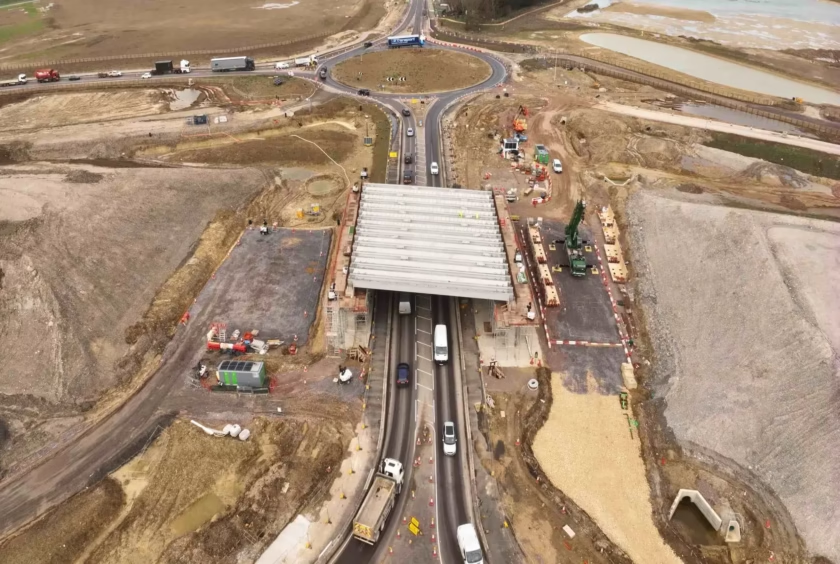
On one of the UK’s largest live highway projects, environmental performance is measured as closely as programme and cost. Principal contractor Skanska is now using the Green Rhino’s DripLock Hose Cap on the A428 Black Cat to Caxton Gibbet Improvement Scheme, extending a pollution-prevention approach that already relies on Green Rhino’s EnviroPad spill containment mats and EnviroHorn gully filters across the site.
A Major Scheme, a High Bar for Environmental Control
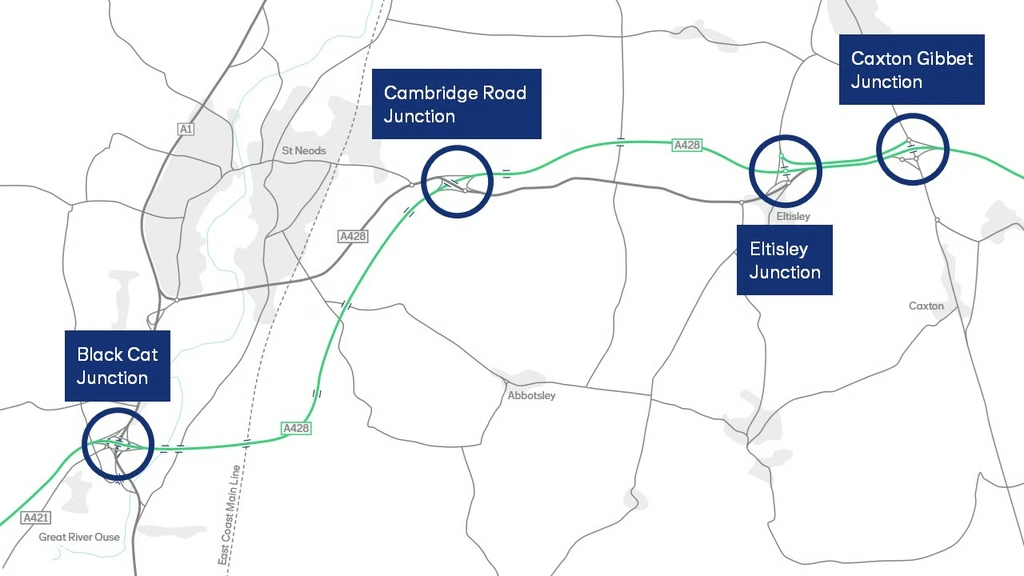
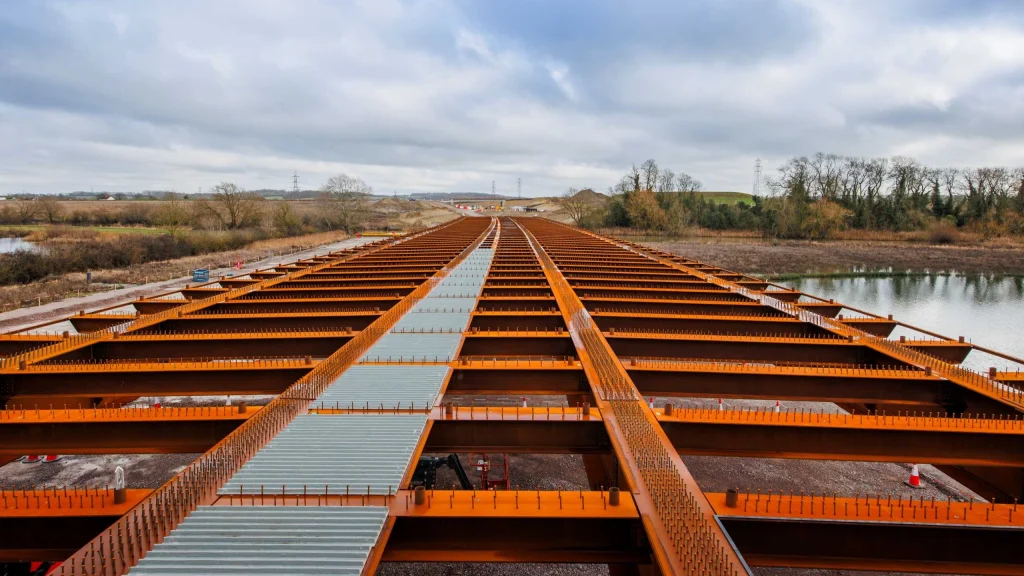
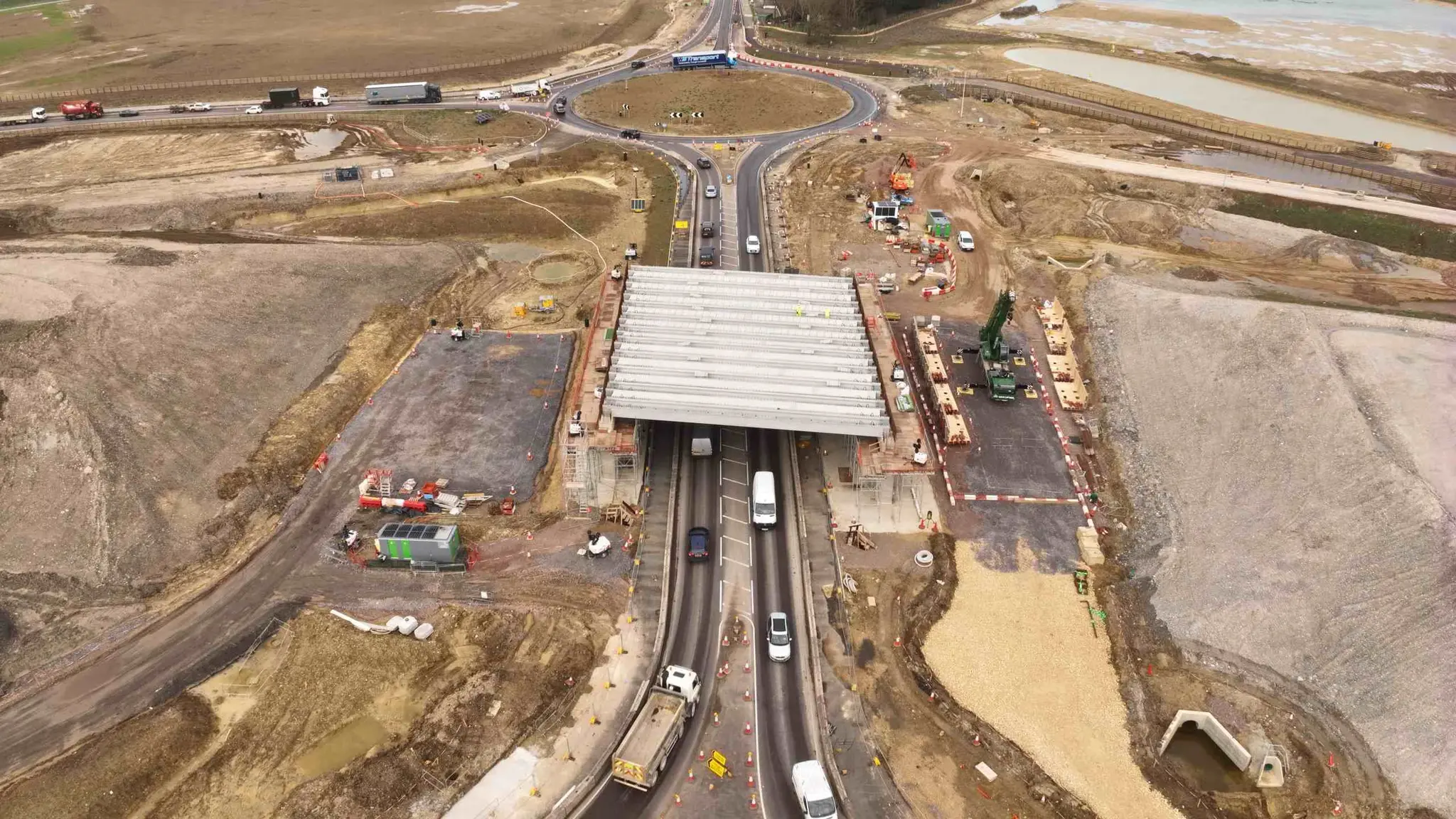
Skanska is Principal Contractor for National Highways on the A428, delivering a new dual carriageway between St Neots and Cambourne at a project value of £1.1 billion, with the route due to open to traffic in March 2027. The work spans six sections across the 10-mile corridor from Black Cat in the west to Caxton Gibbet in the east, with around 650 to 700 contractors on site daily and the full range of highway plant in operation, from earthworks and drainage to piling and bridge construction.
Kenneth MacKellar, Senior Safety Advisor for A428 and Safety Manager for A421 within Skanska’s Infrastructure Operating Unit, describes silt management as the project’s biggest environmental challenge, with robust measures in place and under regular monitoring. Green Rhino’s EnviroHorn drain filters play a key role in this effort, suspended inside roadside gully pots to capture sediment before it can enter the drainage system, helping the team stay ahead of silt-related pollution risk across the site’s extensive earthworks and drainage operations. National Highways has also set specific carbon and waste KPIs that the team is required to meet, reinforcing sustainability as a core delivery metric rather than a secondary consideration.
Extending Proven Pollution Prevention with DripLock
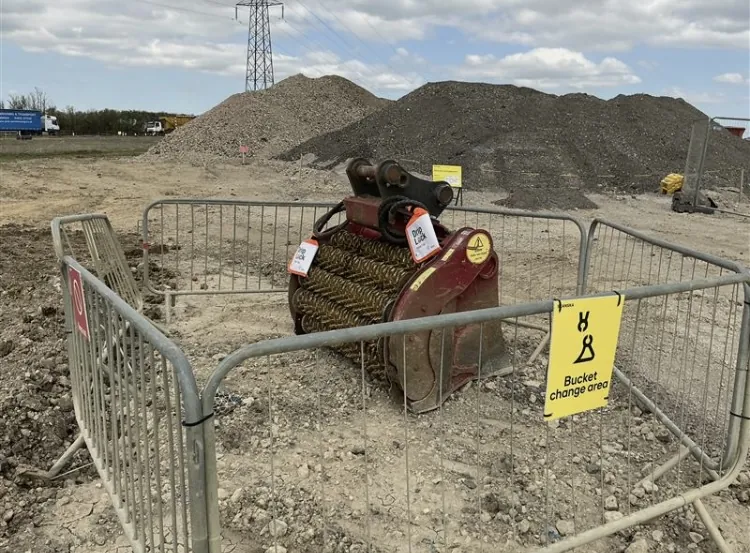
Green Rhino’s EnviroPads are already deployed across all six sections of the A428, including within the site’s material compounds, as part of the team’s established approach to spill containment. Building on the successful use of EnviroPad and EnviroHorn, Skanska is now using the DripLock Hose Cap on breakers and grabs, with the intention of extending its use to any hose ends that pose a risk to the environment or to worker safety.
The DripLock Hose Cap is designed to contain hydraulic hose connections instantly when disconnected, preventing the drips and spills that can occur during routine hose changes on plant such as excavators, breakers, and grabs. On a live, dispersed site the size of the A428, where hundreds of hose connections may be made and broken daily, eliminating this point of risk supports both pollution prevention and site safety.
Early Results and What’s Next
As DripLock has recently been introduced on site, measurable outcomes such as reduced spillage incidents and time saved during hose changes are being tracked and will be confirmed as usage continues. Early indications from the deployment on breakers and grabs will help determine the scale of rollout across the wider fleet.
“We already use Green Rhino’s EnviroPads across the site, and we’d like to see the DripLock Hose Cap used on any hose ends which pose a risk to the environment or safety. I would recommend Green Rhino products to other contractors working on major highways or infrastructure schemes, 100 percent.”
— Kenneth MacKellar, Senior Safety Advisor A428 / Safety Manager A421, Infrastructure Operating Unit, Skanska
A Trusted Partner on National Highways Schemes
For a scheme delivering against strict National Highways carbon and waste targets, Skanska’s continued use of Green Rhino products, from EnviroPads to the DripLock Hose Cap, reflects a practical, site-tested approach to pollution prevention. As the DripLock usage progresses on the A428, Green Rhino will share further results on its impact across the site’s plant fleet.
Learn more about the A428 Black Cat to Caxton Gibbet Improvement Scheme and the Green Rhino’s EnviroPad.
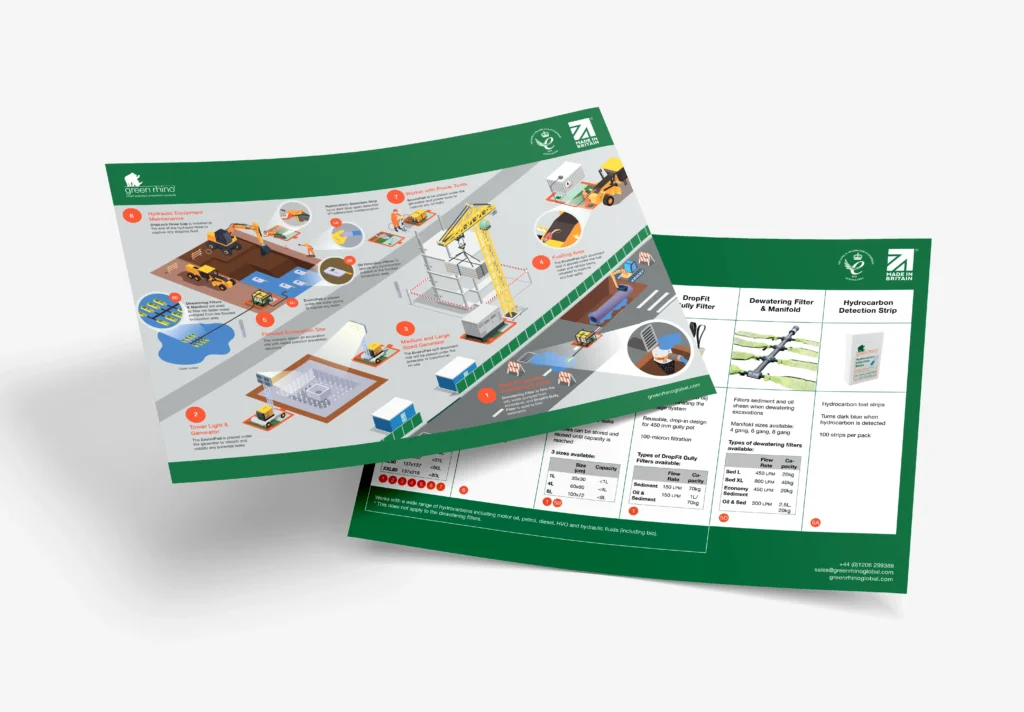
Overview of Green Rhino’s Pollution Prevention Solutions