Construction Site Gully Filtration Solutions: Prevent Silt, Flooding & Regulatory Non-Compliance
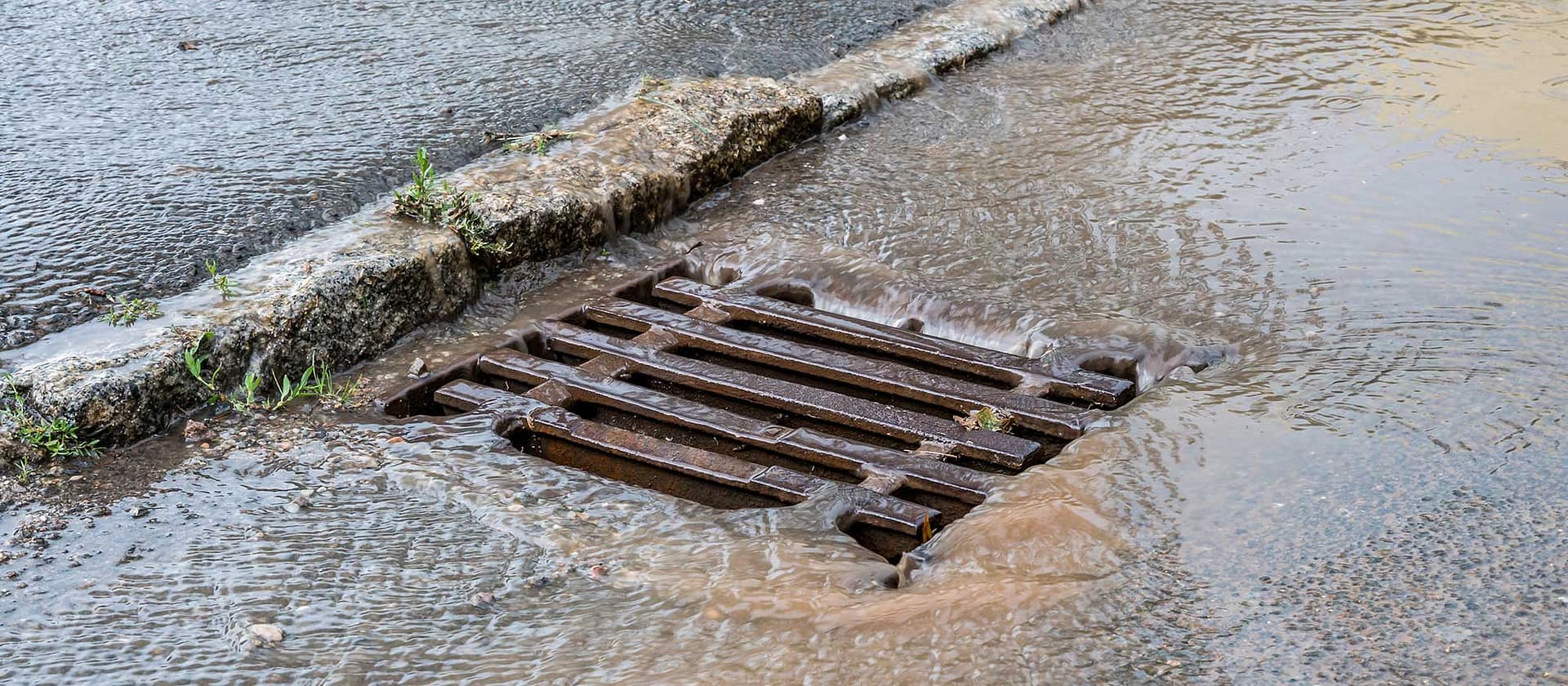
Construction sites are a high-risk source of silt, sediment and contaminated runoff entering public drainage systems. Without an effective construction site gully filtration solution, pollutants are washed directly into surface water drains during rainfall events, increasing the risk of flooding, environmental harm, and regulatory enforcement action.
Modern gully filtration systems are designed to intercept sediment and debris at source while maintaining hydraulic performance. This article explains how construction site gullies function, why filtration is essential during construction activity, and how different gully filtration solutions compare in real-world site conditions.
What is a Gully?
- A gully is a roadside drainage point designed to collect surface water and convey it into underground drainage systems, sewers, or natural watercourses. A typical gully consists of:
- A surface grate that allows water to enter
- A gully pot beneath the surface that traps debris and sediment
On construction sites, gullies are particularly vulnerable to blockage and pollution due to elevated levels of silt, loose material and vehicle movements. Temporary gully filtration and protection systems are therefore essential during groundworks, surfacing and infrastructure phases.
Why Gullies Matter on Construction Sites
Construction activity generates far greater volumes of sediment and debris than completed developments. Without adequate gully filtration in place, the consequences can be significant:
Environmental Impact
- Silt-laden runoff can enter rivers, streams and marine environments
- Suspended solids reduce light penetration and oxygen levels, disrupting aquatic ecosystems
Legal and Regulatory Risk
- Discharging sediment or pollutants into surface water drains may constitute an offence under Environmental Permitting Regulations
- Enforcement action can be taken against site operators, principal contractors and, in some cases, directors
Operational Disruption
- Blocked gullies increase the risk of localised flooding
- Flooding can halt works, damage materials, and delay programme delivery
Health and Safety Hazards
- Standing water increases slip risk for pedestrians
- Flooded carriageways and access roads increase skid risk for vehicles
Common Causes of Gully Blockages on Construction Sites
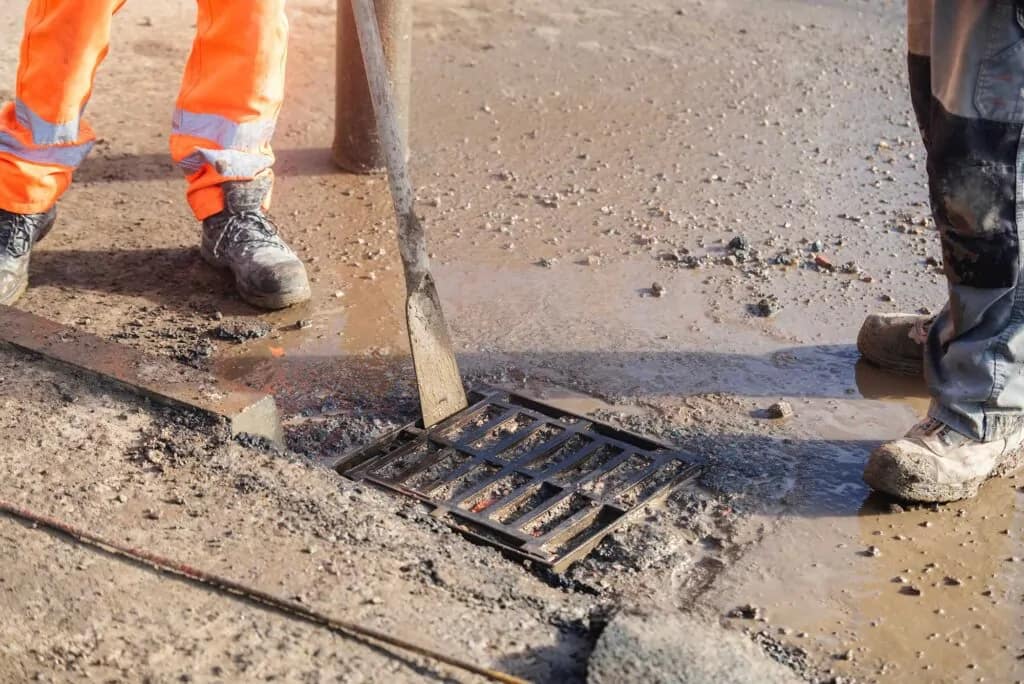
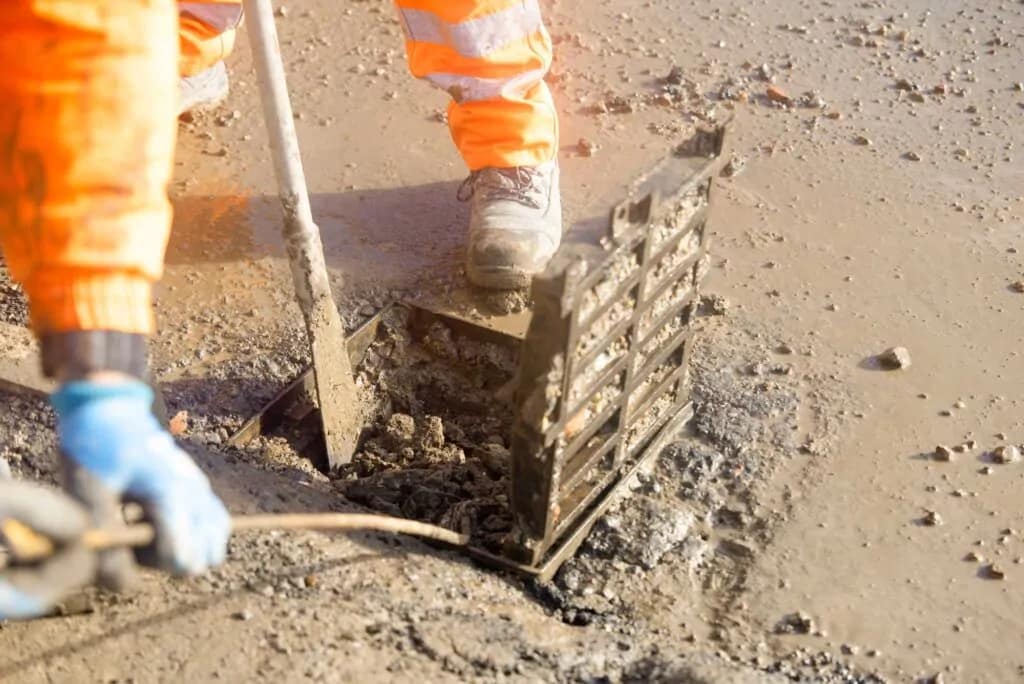
- Silt and Mud: Soil from excavations, haul roads and stockpiles is mobilised during rainfall. Heavy plant movements further break down soil structure, increasing sediment load.
2. Construction Debris: Cement, aggregates, plaster and general waste can enter gullies. Some materials harden once wet, making removal difficult.
3. Organic Matter: Leaves, vegetation and organic debris accumulate, particularly during autumn.
4. Hydrocarbons: Oils and fuels from construction plant may enter drainage systems, posing pollution risks even when not visibly apparent.
Construction Site Gully Filtration Solutions Compared
| Solution Type | Advantages | Limitations | Typical Use Case |
| Drain Covers/Mats | – Quick to deploy – Prevents direct entry | – Diverts water along carriageway – Can create slip/skid hazards – Silt accumulates on surface | Short-term or emergency use |
| Standard Gully Bags | – Low initial cost – Allows water flow | – Complex installation causing errors – Bypass gaps around frame – Bags frequently split during removal | Low-risk sites with limited silt |
| Sediment Basins | – Large storage capacity – Suitable for high flows | – Requires significant space – High ongoing maintenance – Not suitable for constrained urban sites | Large greenfield developments |
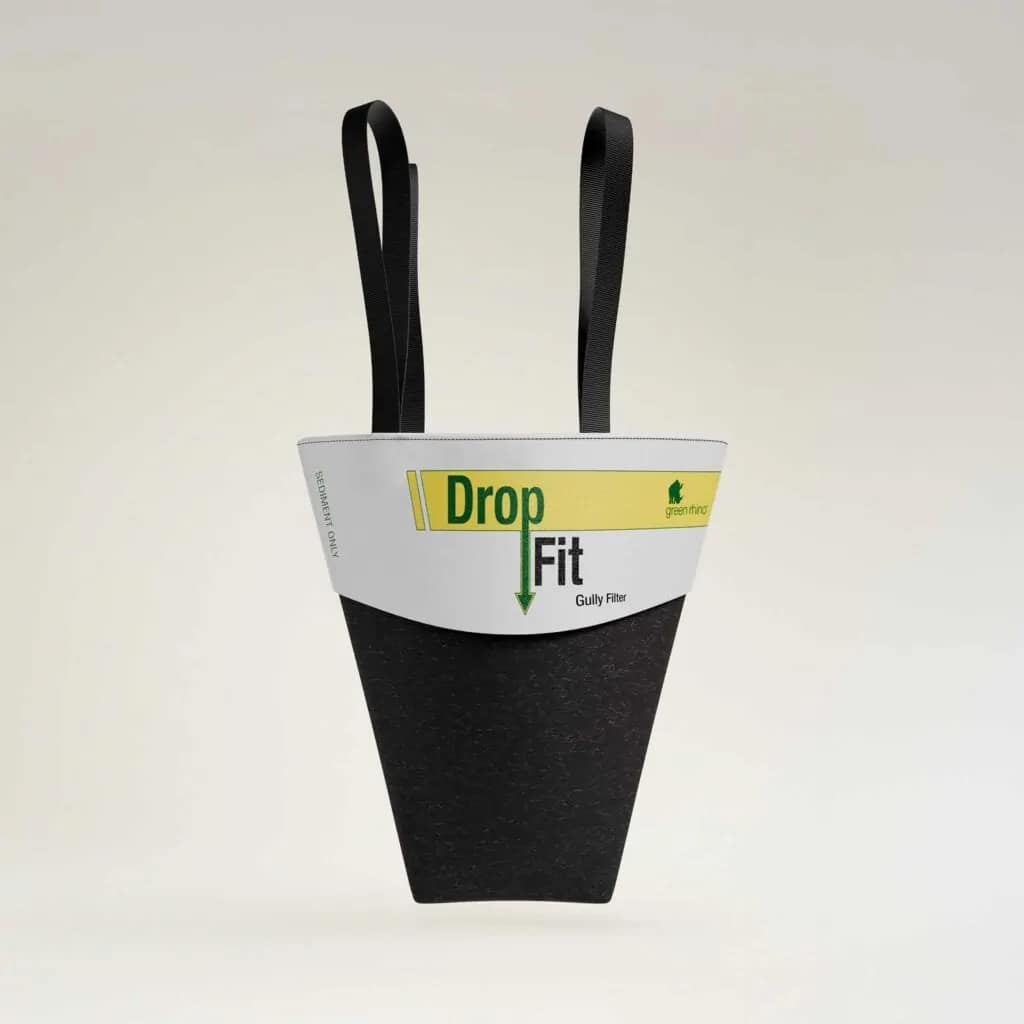
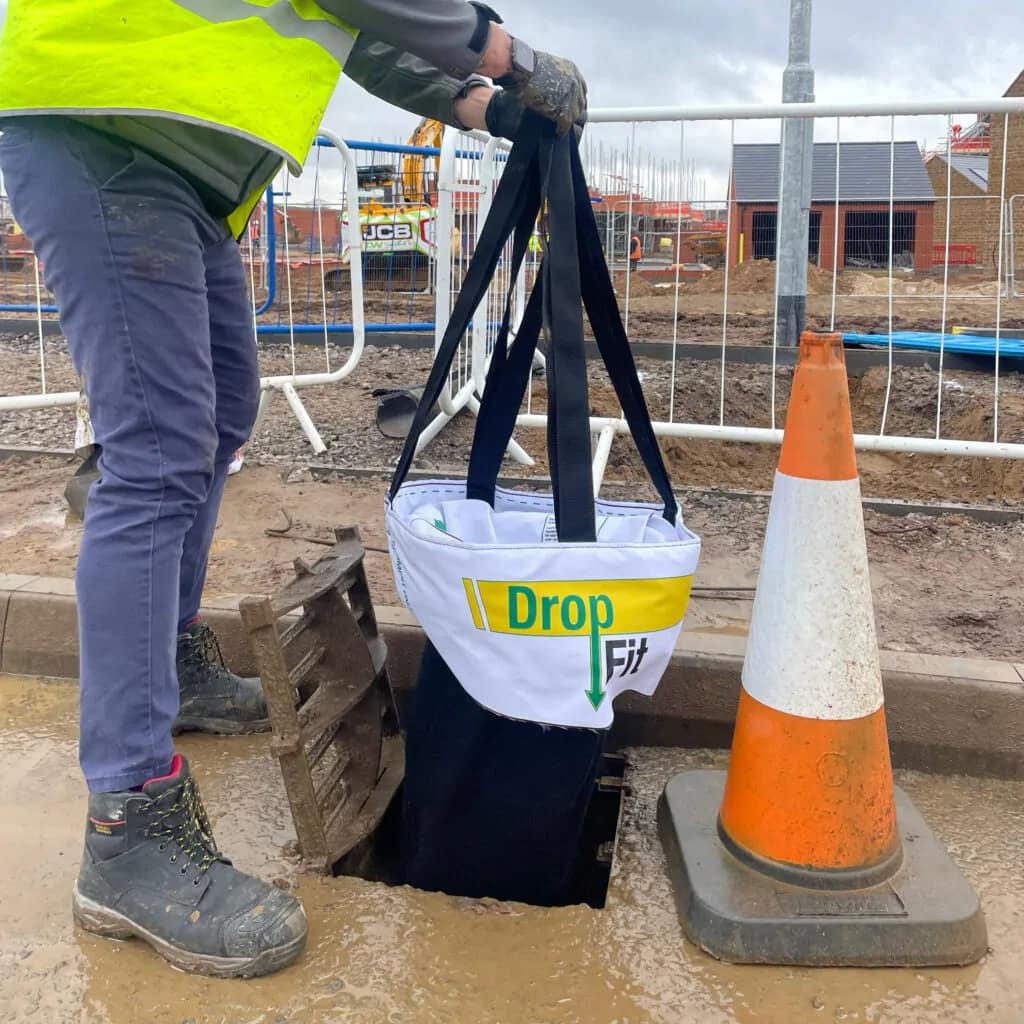
| Advanced Gully Filtration Systems (e.g., Green Rhino’s DropFit gully filter) | – Controlled installation – High sediment capacity with rapid drain technology – Reusable and tear-resistant | – Higher initial cost than basic bags | Medium to high-risk sites; EA-scrutinised projects |
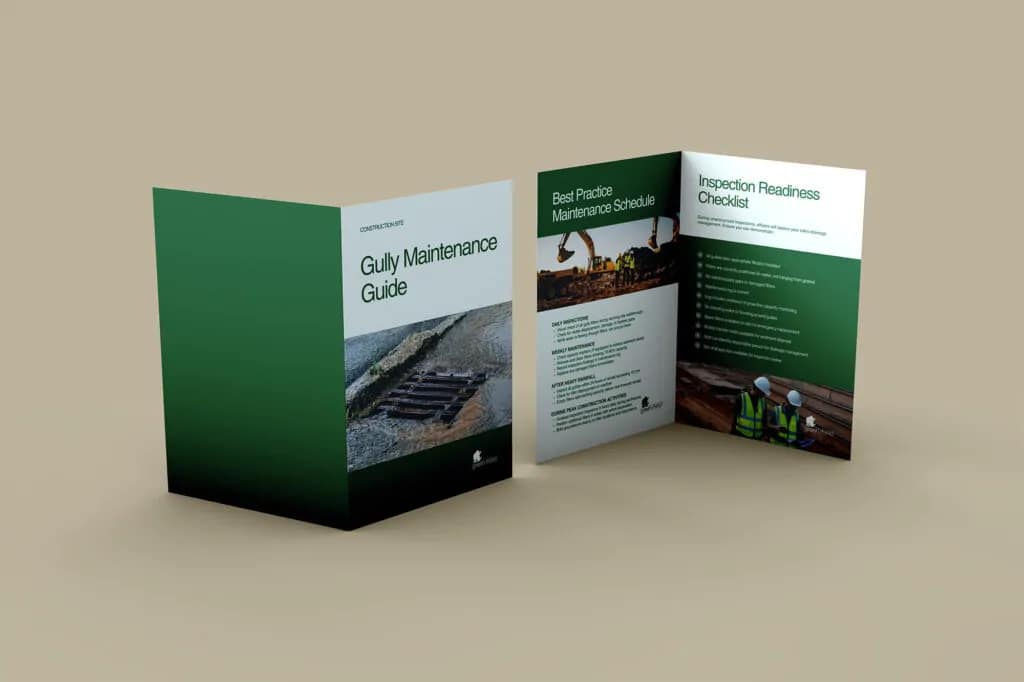
Construction Site Gully Maintenance Guide
Effective gully filtration relies on active maintenance, not just initial installation. Systems must be monitored and serviced based on sediment loading and rainfall conditions rather than fixed calendar intervals.
To support this, we’ve produced a practical Construction Site Gully Filtration & Maintenance Guide, designed for site managers, environmental teams and compliance officers.
The guide covers:
• Recommended inspection and maintenance schedules
• Safe removal and cleaning procedures
• Documentation and audit trail requirements
• Early warning signs of filtration failure
• Inspection readiness checklist for regulatory visits
Download the free guide to help maintain effective gully filtration and reduce the risk of enforcement action.
Consequences of Non-Compliance
Operational Impact
- Stop notices preventing work from continuing
- Enforcement undertakings requiring remediation at the operator’s cost
- Increased inspection frequency
- Reputational damage affecting future tender and client confidence
Financial Penalties
- Fixed Monetary Penalties: Commonly applied for minor breaches
- Variable Monetary Penalties: May be imposed for serious or repeat incidents, with amounts linked to environmental harm
- Criminal Prosecution: In severe cases, courts may impose unlimited fines and imprisonment for executives
Moving from Reactive to Proactive Gully Filtration
Increasing regulatory scrutiny and inspection activity means gully protection can no longer be treated as a short-term or reactive measure.
A proactive construction site gully filtration strategy typically includes:
- Reliable filtration systems that cannot be installed incorrectly
- Proactive maintenance triggered by capacity and condition, not calendar dates
- Clear documentation demonstrating effectiveness
- Site-wide awareness of environmental protection responsibilities
By implementing effective gully filtration and maintenance practices, construction sites can reduce pollution risk, maintain drainage performance, and demonstrate compliance throughout the project lifecycle.
Discover Green Rhino’s Reliable Gully Filtration Solution